Creative Web Design – If you’re not learnin’, then you’re not livin’
Ovanti Website Overhaul
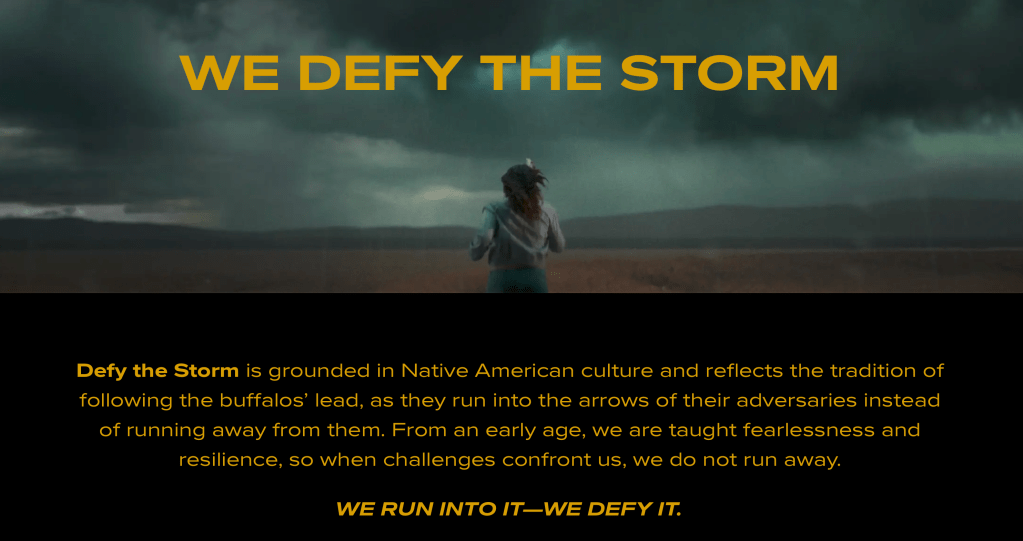
Whenever possible, I like to take the opportunity to learn new skills from other creative minds. When I was approached by a former mentor to help pitch a web redesign my answer was simple: when can we start? With a few years of light front-end design in my back pocket, and an eager mind, I set to learning how I could best help on the team of amazing creatives tackling the project. I’m proud to showcase this website as an example of my determination to learn, listen, and turn over any stone that might have creative writing hiding beneath it.

Creative Product Copy – Headlines & product descriptions
Content & Product Marketing
Below are some examples of product and product copy I’ve written. Each of these products needed a creative direction and strategy that matched their respective brand identity. Something I live and die by is that the creative writing requested should be goal-oriented and for the researched audience. In these examples, I’m proud to show three unique creative identities expressed in single sentences that emphasize authenticity and product spotlighting.
Genesis ProV1 Golf Balls: “Drive the best on and off the course when using the Genesis ProV1 golf balls.”

Mopaw™ Folding Bowl: “Take this portable Mopaw™ folding bowl with you anywhere to keep good times rolling and happy tails wagging”

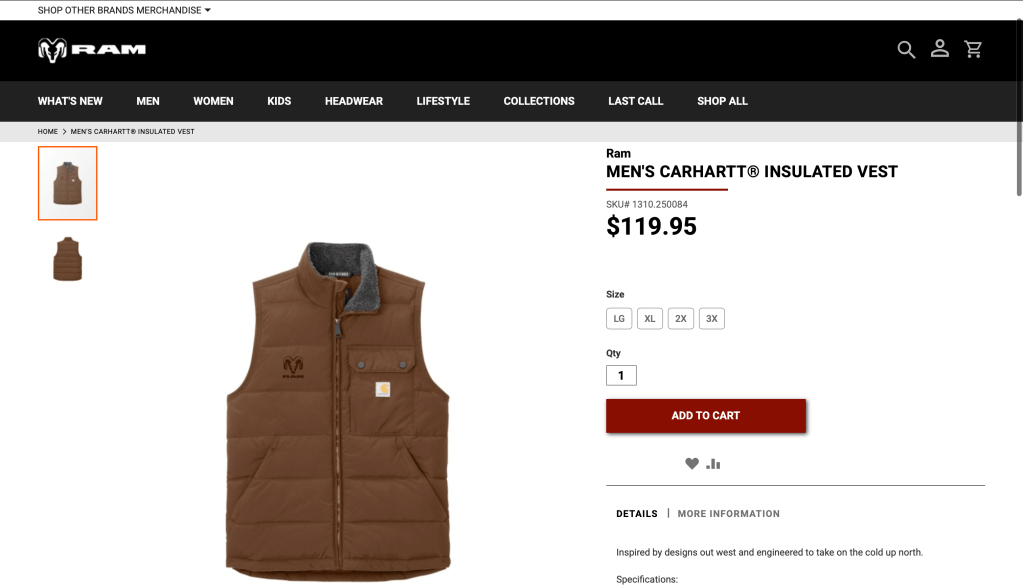
Ram Carhartt® Vest: “Inspired by designs out west and engineered to take on the cold up north.”
How Brand Authenticity Builds Immortality – Futbol Anthropology (Blog Content)
Soccer Blog Content
This article was made as a proof of concept for an account working on the Fifa World Cup. The question was two-fold, how does a brand showcase authenticity in their messaging while managing to drive profit? And also, why should American brands get involved? I’ve included it here in the portfolio to showcase article and long form writing capability, and also because I’m a huge soccer nerd.
The Streets Won’t Forget
There was a phrase I heard growing up, often used when speaking about a player real fans admired, but casual fans overlooked: “The streets won’t forget.”
I found truth and identity in that statement. It pushed me to find myself on rainy days training, in hot summers coaching first graders, and on early mornings waking at 5:00 a.m. to watch a meaningless match. Even further, when I refereed high schoolers, hopped fences to play World Cup before the sun set, and shared laughter and exhilaration with strangers on a pitch despite not sharing the same language. Each of these moments bloomed on green grass with white lines. The man I am today, and the people I’d do anything for, all stemmed from a love for soccer.
“The streets won’t forget” meant that only true addicts of the game appreciated what a player was doing out on the pitch. Fluid movement on the ball, risky tackles that got fans out of their seats, badge-slapping celebrations. These were the moments us junkies craved. Moments that reminded us why we fell in love with the game.
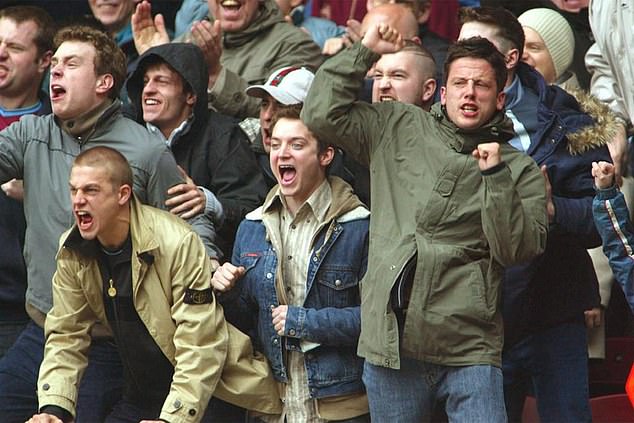
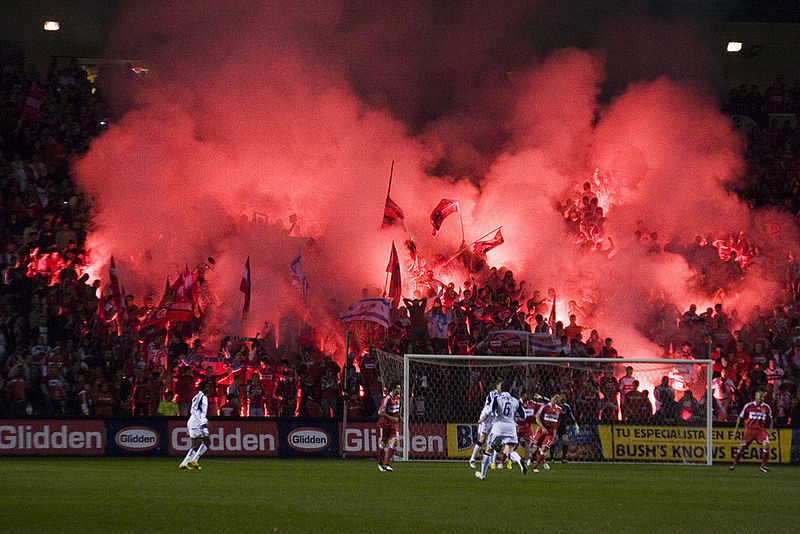
If you dig deeper, you’ll find countless cultural movements and sayings littered among global soccer fans. These fans are distinct from typical American fandoms. They’re comprised of TIFOs, Ultras, flares, retirees barreling through police escorts, and even gangs that try to fix matches. These supporter groups treat soccer as a religion. More importantly, they have the power to skyrocket the popularity of certain brands, like Stone Island, making them as permanent and recognizable as a priest’s white collar.
This passion is so intense it seeps into every area of daily life for these true believers. It extends far beyond pride in your hometown club. Some brands have understood this so well that they’ve become inseparable from a region’s history. At times, they’ve built loyalty so strong that you could be kicked out of a local bar or off a pitch for wearing a competitor’s logo, as if it were another teams badge. There’s a feeling of personal connection to certain brands that are associated with their team. In this way, products become symbols of pride and identity unlike anywhere else in the advertising world.
Americans tend to think back on soccer moments with nostalgia. We all remember the orange slices and juice boxes after a 30-minute game in a locally sponsored jersey that was four sizes too big. But for the rest of the world, soccer explains grief, love, and life. All at once, it can be waxing poetic and heavy metal, immeasurable and finite. It is an ongoing anthropological excavation, with core memories encased in amber. If that seems dramatic, it’s because soccer is theater. And the United States is preparing to be the world’s stage.
If you disagree, I’d urge you to listen to Ray Hudson’s commentating. See the joy on someone’s face when Miss Alessia plays on the TouchTunes. Ask a Frenchman their thoughts on Zizou’s headbutt. Or better yet, look up Tshabalala’s opening goal from the 2010 World Cup, then try to explain what that awful, buzzing sound from the crowd is. All of these moments are unifying and unforgettable. All of these moments give brands the opportunity to be immortalized within them.
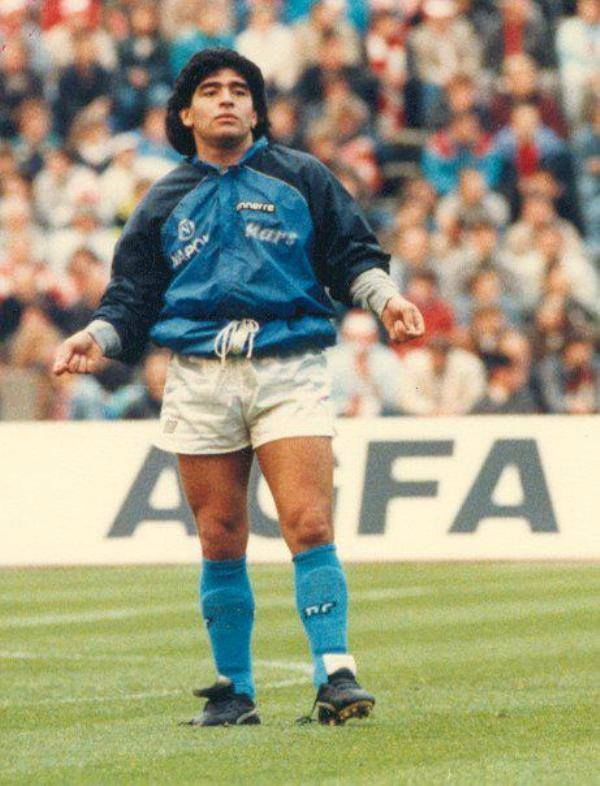
Soccer is a culture that rewards reverence for its history. Americans have often been dismissed in global soccer culture, seen as outsiders trying to scale a mountain already ruled by giants. But now, with growing domestic interest and international hosting honors, we’re closer than ever to being a serious global presence. To have an advertisement in the World Cup is to shape an untapped market in its infancy, begging for a strong identity. One wrong move, and your brand is out forever. One right move, and as the saying goes, “the streets won’t forget” your brand.